
Galata Tower Accessibility Guide — Elevator & Stairs
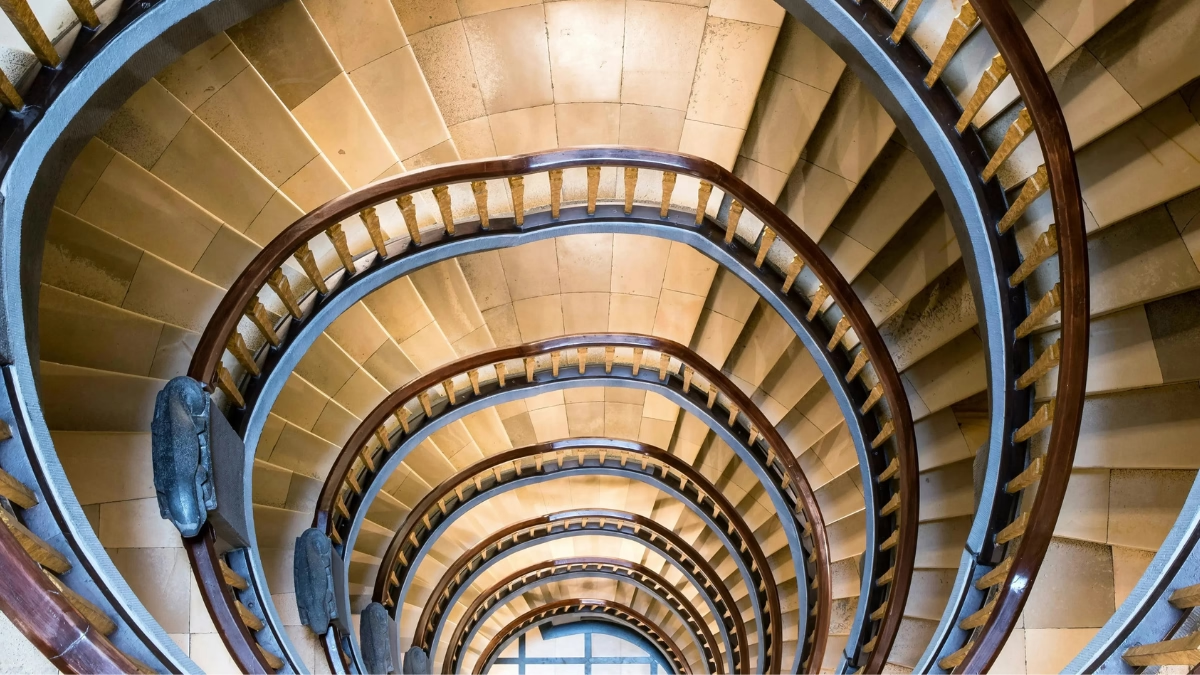
Galata Tower has an express elevator to the seventh floor, but the final two flights up to the observation deck are by stairs, so the deck is not fully step-free. The approach streets from Karaköy are steep and cobbled. Provision can change, so wheelchair users and visitors with limited mobility should confirm the current situation directly with the tower before booking.
Galata Tower is a 14th-century stone tower converted into a museum, and like many historic buildings its accessibility is partial rather than complete. The good news is an express elevator that covers most of the height; the honest caveat is a final short climb by stairs to the deck, plus a steep cobbled approach that many visitors underestimate.
This guide sets out exactly where the barriers are — the streets up to the tower, the entrance, the elevator and the last flights of stairs — so you can decide whether the visit works for you and plan around the constraints.
Galata Tower Accessibility at a Glance
| Stage | Access | Notes |
|---|---|---|
| Approach streets | Difficult | Steep, cobbled lanes up from Karaköy |
| Entrance & ticketing | Ground level | Queue can be busy before sunset |
| Floors 1–7 | Express elevator | Covers most of the height |
| Floors 7 to deck | Stairs only | Final two flights, not step-free |
| Observation deck | Standing viewpoint | Narrow wraparound balcony |
Provision can change without much notice, so treat this as a planning guide and confirm the current setup on the official site or with the tower before you travel.
Getting to the Tower
The hardest part of reaching Galata Tower is often the approach, not the tower itself. It sits at the top of steep, cobbled streets above Karaköy, and the final climb on foot is demanding for anyone with limited mobility. The Tünel funicular and the M2 metro to Şişhane get you closest to the top, reducing the amount of uphill cobbles you have to tackle.
If steps and slopes are a concern, choose your route carefully. Arriving via the Tünel funicular or the M2 metro to Şişhane leaves you a shorter, gentler walk than climbing up from the waterfront, though some cobbled sections are unavoidable. Our how to get to Galata Tower guide compares the trams, metro and funicular so you can pick the flattest approach. A taxi can drop you close, but the immediate lanes around the tower are pedestrianised and cobbled.
The Elevator and the Final Stairs
An express elevator carries visitors up to the seventh floor, covering most of the tower’s nine floors. From there, the last two flights to the observation deck are by stairs — there is no lift to the deck itself. This means the 360-degree viewpoint is not fully step-free, and visitors who cannot manage a short flight of stairs may not be able to reach the balcony.
The elevator is the key piece of the puzzle: it saves you the bulk of the internal climb and makes the museum floors reachable without a long ascent on foot. The sticking point is the top. Those final two flights are short but unavoidable if you want to stand on the deck, and there is no alternative step-free route to it. If the stairs are beyond you, you can still reach the seventh floor and the museum displays, but not the open-air panorama. The observation deck itself is a narrow wraparound balcony, which can feel tight when busy.
Inside the Tower
The nine floors form a compact museum, and the audio-guide app — used on your own phone — provides the commentary, since signage is limited. If you’d like a sense of the layout before you go, our inside Galata Tower floor-by-floor guide walks through each level. Because the deck has capped access and can be crowded before sunset, quieter times make moving around easier for anyone using a stick, frame or wheelchair.
Planning a Comfortable Visit
Timing helps as much as anything. Visiting at the 8:30am opening or in the early-afternoon lull means shorter queues and more room to move, both on the streets and inside. Avoid the busy hour before sunset and the 6:15pm–7:00pm shift break, when the entrance closes and crowds bunch up. A visit takes about 45–60 minutes at an unhurried pace, and there’s no need to rush the climb. If you’re visiting as a family, our Galata Tower with kids guide covers pushchairs and the same stairs-to-the-deck constraint.
Because access provision can be adjusted and historic buildings sometimes change their arrangements, the safest step is to contact the tower directly if you have specific mobility needs. The official channels can confirm the current elevator status, staff assistance and whether any temporary restrictions apply on your date — details our Galata Tower official website guide points you to.
Frequently Asked Questions
Is Galata Tower wheelchair accessible?
Partly. An express elevator reaches the seventh floor, so the museum floors are accessible, but the final two flights to the observation deck are by stairs with no step-free alternative. That means the open-air deck is not fully wheelchair accessible. The approach streets are also steep and cobbled. Wheelchair users should confirm the current provision with the tower before booking to know exactly what is reachable.
Does Galata Tower have a lift?
Yes. An express elevator carries visitors up to the seventh floor, covering most of the tower’s height and sparing you a long internal climb. However, the lift does not reach the observation deck itself — the last two flights from the seventh floor to the deck are stairs. So the elevator solves most of the ascent but not the final short climb to the panorama.
Can I reach the observation deck without using stairs?
No. There is no step-free route to the observation deck. The elevator stops at the seventh floor, and the final two flights up to the deck are by stairs only. If you cannot manage a short flight, you can still visit the museum floors and reach the seventh floor, but you won’t be able to stand on the open-air balcony with the 360-degree view.
How steep is the walk up to Galata Tower?
Steep. The tower sits at the top of Karaköy on cobbled lanes that climb sharply, and the approach on foot is often harder than the tower itself. The cobbles can be slippery after rain. To reduce the uphill, arrive via the Tünel funicular or the M2 metro to Şişhane, which leave you closer to the top than climbing from the waterfront.
Are there accessible toilets at Galata Tower?
Facilities in historic buildings vary and can change, so we don’t want to state something that may be out of date. If accessible toilets are essential for your visit, confirm the current provision directly with the tower before you go. The official contact channels can give you an up-to-date answer for your date, which is more reliable than a general guide.
Is Galata Tower suitable for visitors with limited mobility?
It can be, with realistic expectations. The elevator makes the museum floors reachable, but the steep cobbled approach and the two flights of stairs to the deck are genuine obstacles. Visitors comfortable with a short flight of stairs and a slow uphill walk usually manage well; those who cannot may want to enjoy the tower’s setting from the streets below instead and confirm options with the tower.
When is Galata Tower least crowded for an easier visit?
The 8:30am opening and the mid-morning to early-afternoon lull are quietest, giving you more room to move on the narrow deck and shorter queues at the entrance. Avoid the hour before sunset, the busiest time, and the 6:15pm–7:00pm shift break. Our best time to visit Galata Tower guide details the calmest windows.
Should I book in advance for an accessible visit?
Booking ahead is sensible in high season because the observation deck has capped access and the queue builds quickly. A skip-the-line entry ticket lets you bypass the main ticket line, which is helpful if standing in a queue is difficult. It doesn’t change the physical access inside, so still confirm the elevator and stairs situation with the tower for your date.
