
Galata Neighbourhood Guide — Around the Tower
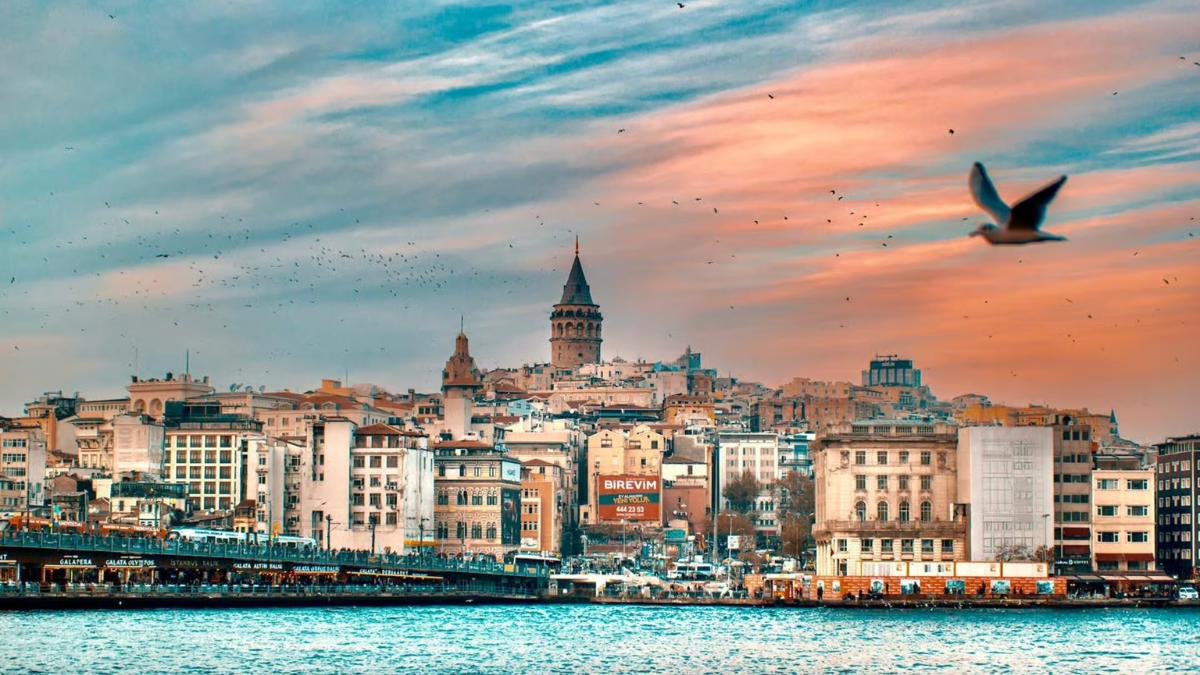
The Galata neighbourhood, in Istanbul’s Beyoğlu district on the north side of the Golden Horn, wraps the 14th-century tower in one of the city’s most walkable quarters. Within a short stroll you have İstiklal Street, the cafés and galleries of Karaköy, the Galata Mevlevi Lodge and its whirling-dervish museum, SALT Galata, the Kamondo Steps, the historic Tünel funicular and the Bosphorus waterfront — easily a full day around the tower.
Galata Tower is the landmark, but the neighbourhood around it is the reason to linger. The steep, cobbled streets fanning out from the tower’s base are packed with cafés, design shops, galleries and small museums, dropping down to the Karaköy waterfront on one side and climbing to the buzz of İstiklal Street on the other. Most visitors spend an hour at the tower and miss the quarter that gives it its context.
This guide covers what to do around the tower — the main streets, museums and landmarks, how they connect on foot, and how to weave them into a half or full day in Galata and Karaköy.
İstiklal Street and the Tünel
İstiklal Street is Beyoğlu’s grand pedestrian avenue, a roughly 1.4-kilometre stretch of shops, historic arcades, churches and cafés running from near the tower up to Taksim Square. The historic Tünel — one of the world’s oldest underground funiculars, opened in 1875 — climbs from Karaköy to the İstiklal end in about 90 seconds, and a nostalgic tram trundles along the avenue itself.
From the tower it is a short uphill walk to the lower end of İstiklal Street, where the neighbourhood’s energy concentrates. The avenue mixes 19th-century European-style facades, passages (the covered arcades), bookshops, patisseries and street musicians, and it is busiest in the evenings and at weekends. Ducking into the side streets off it rewards you with quieter cafés and small galleries.
The Tünel is a landmark in its own right and a genuinely useful link, sparing you the steepest climb up from the Karaköy waterfront. Because the streets around the tower are steep and cobbled, that short funicular ride can be a welcome shortcut — a point our guide to how to get to Galata Tower covers alongside the trams, metro and ferries that serve the area.
Karaköy — Cafés, Galleries and the Waterfront
Karaköy is the waterfront quarter directly below the tower, transformed in recent years into one of Istanbul’s most fashionable districts. Its narrow streets hold specialty coffee shops, third-wave bakeries, design stores and contemporary art galleries, while the Bosphorus and Golden Horn waterfront offers ferry piers, fish restaurants and open views across to the historic peninsula.
Karaköy is where you go for the neighbourhood’s café culture. Once a working port district, it now balances hardware shops and workshops with some of the city’s best coffee, baklava institutions and gallery spaces, all within a compact grid of streets that slope down to the water. It rewards aimless wandering as much as any planned stop.
The waterfront itself is the payoff at the bottom of the hill: ferry terminals with services across the Bosphorus and Golden Horn, seafood spots, and a promenade with the old city framed across the water. Pair a Karaköy stroll with a stop by the nearby Kamondo Steps and you have linked the tower to the waterfront on foot. It is also one of the best places to catch the tower itself in a photograph, as our photography guide explains.
Galata Mevlevi Lodge
A few minutes from the tower, near the Tünel end of İstiklal Street, the Galata Mevlevi Lodge (Galata Mevlevihanesi) is one of the neighbourhood’s most atmospheric stops. This former lodge of the Mevlevi order — the “whirling dervishes” — is now a museum devoted to Sufi culture, with its historic semahane (ceremonial hall), a tranquil courtyard, calligraphy and instruments, and a small cemetery of ornate Ottoman gravestones.
It offers a complete change of pace from the busy avenue outside, and on certain dates it hosts sema ceremonies, the meditative whirling ritual for which the order is known. Check current opening times and any ceremony schedule before you go, as these vary. It pairs naturally with the tower for a half-day that combines the panorama with the neighbourhood’s spiritual and cultural history.
SALT Galata and the Kamondo Steps
SALT Galata is a cultural institution set in a grand former Ottoman Bank headquarters in Karaköy, housing exhibitions, a research library and a well-regarded restaurant. Nearby, the Kamondo Steps are an elegant curved 19th-century staircase commissioned by the Camondo banking family, a favourite of photographers and a graceful pedestrian link between the lower Karaköy streets and the Galata slopes above.
SALT Galata is worth seeking out both for its free exhibitions on art, design and the city’s history and for the building itself, a monumental 19th-century bank headquarters that speaks to Galata’s long role as a financial and commercial centre. The venue’s cafe-restaurant makes it an easy place to pause mid-explore.
The Kamondo Steps, a short walk away, are a small architectural gem — a sinuous Art Nouveau-influenced stairway threading up the hillside, named after the prominent Camondo family who financed them. They are a lovely, low-key stop and a reminder of the cosmopolitan bankers and merchants who shaped this quarter. Both sit within the compact web of streets you can cover on the Galata and Genoese guided tour, which threads the neighbourhood’s history together on foot.
Planning a Day Around the Tower
The beauty of Galata is how tightly everything packs together, so you can improvise. A sensible loop starts at the tower for the 360-degree panorama, winds up to İstiklal Street and the Mevlevi Lodge, then drops back down through Karaköy — via SALT Galata and the Kamondo Steps — to the waterfront, using the Tünel to save your legs on the climb back if needed.
Time your tower visit to dodge the worst crowds and the early-evening shift break, then use the rest of the day for the neighbourhood. Our guide to the best time to visit Galata Tower helps you pick the quietest window, and if you are exploring with children, the visiting with kids guide flags the steep cobbles and family-friendly stops nearby. Wear comfortable shoes — the streets are steep and uneven throughout.
Frequently Asked Questions
What is there to do around Galata Tower?
Plenty within a short walk. İstiklal Street and its historic Tünel funicular, the cafés, bakeries and galleries of Karaköy, the Galata Mevlevi Lodge whirling-dervish museum, SALT Galata, the Kamondo Steps and the Bosphorus waterfront are all close by. The quarter is compact and walkable, so you can easily fill a half or full day around the tower, combining the panorama with the neighbourhood’s museums, coffee culture and waterfront.
How do I get from Galata Tower to İstiklal Street?
It is a short uphill walk of a few minutes from the tower to the lower end of İstiklal Street, near the Tünel. The streets are steep and cobbled, so allow a little time and wear sensible shoes. Alternatively, the historic Tünel funicular links the Karaköy waterfront to the İstiklal end, sparing you the climb. Our how-to-get-there guide covers the trams, metro, ferries and funicular serving the area.
What is the Galata Mevlevi Lodge?
The Galata Mevlevi Lodge (Galata Mevlevihanesi) is a former lodge of the Mevlevi Sufi order — the whirling dervishes — now a museum near the Tünel end of İstiklal Street. It houses a historic ceremonial hall, a peaceful courtyard, calligraphy and instruments, and an Ottoman cemetery. On certain dates it hosts sema whirling ceremonies. Check current opening hours and any ceremony schedule before visiting, as these vary through the year.
Is Karaköy worth visiting?
Yes. Karaköy, the waterfront quarter directly below the tower, has become one of Istanbul’s most fashionable districts, blending its old port character with specialty coffee shops, celebrated bakeries, design stores and contemporary galleries. The Bosphorus and Golden Horn waterfront adds ferry piers, seafood restaurants and views across to the historic peninsula. It is one of the best areas near the tower for both a coffee stop and photographs of the tower itself.
What are the Kamondo Steps?
The Kamondo Steps are an elegant curved 19th-century staircase in Karaköy, commissioned by the prominent Camondo banking family and showing an Art Nouveau-influenced design. They wind up the hillside between the lower streets and the Galata slopes and are a favourite subject for photographers. A short, free and atmospheric stop, they nod to the cosmopolitan merchants and financiers who shaped Galata’s history.
What is SALT Galata?
SALT Galata is a cultural institution housed in a grand former Ottoman Bank headquarters in Karaköy. It hosts free exhibitions on art, design and the city’s history, holds a research library, and has a well-regarded restaurant. The monumental 19th-century building is itself a reminder of Galata’s role as a financial centre. It makes an easy, worthwhile stop while exploring the neighbourhood on foot around the tower.
How much time should I allow for the Galata neighbourhood?
You can see the highlights in a half day, but the quarter comfortably fills a full day if you linger over Karaköy’s cafés, the Mevlevi Lodge, SALT Galata and the waterfront. Allow about 45 to 60 minutes for the tower itself on top of that. Because the streets are steep and cobbled, factor in a slower walking pace and rest stops, and consider the Tünel to save the climb.
Can I do a guided walk of the Galata neighbourhood?
Yes. A Galata and Genoese guided tour threads the tower together with the surrounding medieval quarter, explaining the Genoese and Ottoman history of the streets you walk. It is a good way to make sense of how the tower, the old colony walls, the lodges and the waterfront relate. Independent exploring works well too, given how compact and walkable the neighbourhood is.
