
Galata Tower Architecture — Design & Restoration
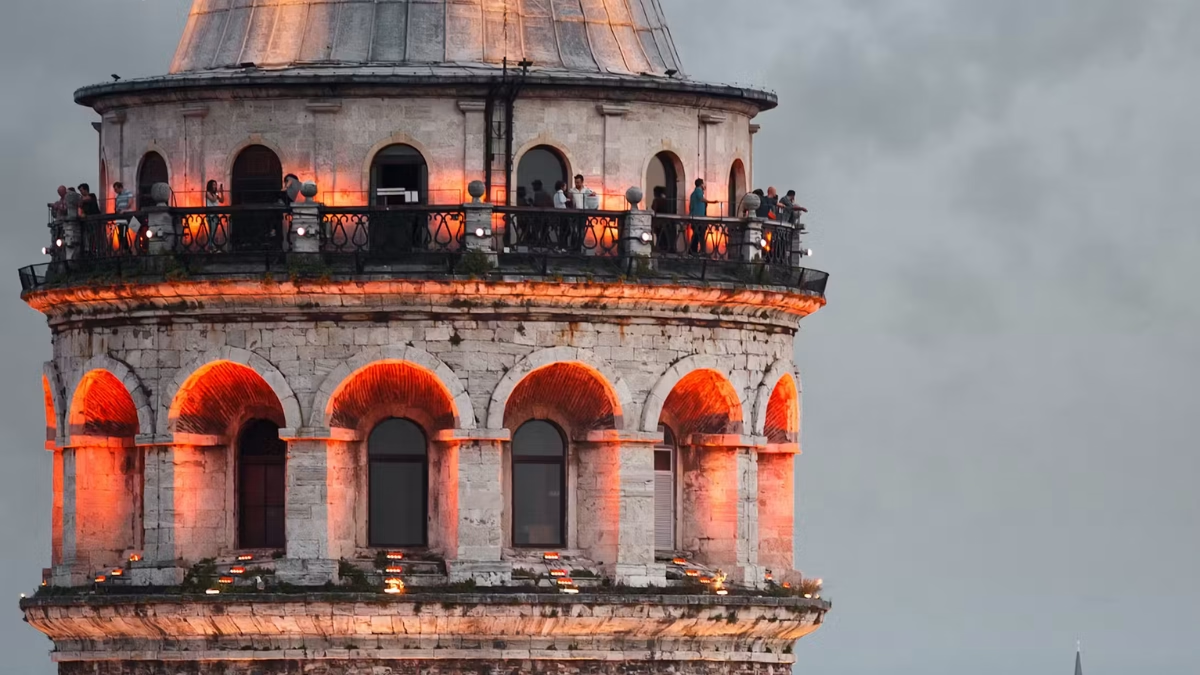
Galata Tower is a cylindrical stone tower about 67 metres tall, built by the Genoese in 1348 with thick masonry walls, nine internal floors and a distinctive conical cap. Its form reflects medieval military engineering, adapted over centuries of Ottoman and modern use. An express elevator now reaches the seventh floor, with the final two flights to the observation deck by stair — and the 2020 restoration that shaped today’s tower remains controversial among conservationists.
Galata Tower’s power as a landmark is partly a matter of pure geometry: a tall, plain stone cylinder capped by a cone, rising cleanly above the low roofs of Galata and readable from right across the Golden Horn. It looks simple, but the design is a piece of medieval military engineering that has been adapted, damaged and rebuilt across nearly seven centuries.
This guide breaks the architecture down — the cylindrical Genoese form and its influences, the roughly 67-metre height and thick walls, the conical cap, the internal elevator-and-stair structure that carries visitors up, and the restorations that have reshaped it, including the disputed modern one.
The Cylindrical Genoese Design
Galata Tower is a cylindrical stone tower, a form the Genoese chose in 1348 for a defensive watchtower crowning their walled colony. The round plan gave strong, evenly loaded walls with no vulnerable corners, good all-round visibility, and a compact footprint — practical medieval military engineering rather than decorative architecture. That basic cylinder still defines the tower, beneath centuries of later alteration.
The choice of a cylinder was functional. A round tower distributes structural loads evenly and presents no weak corners to attack or to earthquake stress, while the continuous curved wall gives watchmen an unbroken field of view — exactly what a fortified colony wanted from its highest point. The Genoese built in solid stone masonry, favouring durability and mass over ornament.
That is why the tower reads as austere: it was a defensive structure first, the tallest element of the medieval fortifications described in our guide to the tower’s history, not a display of decorative craft. The influences are those of medieval Mediterranean military building, brought to the Golden Horn by a Genoese republic that put up similar hard-edged, practical structures across its trading network.
Height, Walls and Materials
Galata Tower stands about 67 metres tall, with thick stone walls that taper as they rise and nine internal floors stacked within the cylinder. The heavy masonry base carries the load of the whole structure and helped the tower survive fires and earthquakes across the centuries. Its stone construction, rather than timber, is a large part of why the medieval core still stands today.
At roughly 67 metres, the tower was for centuries among the tallest structures in the city, and its prominence on the Galata hill exaggerates the effect — it sits well above the surrounding streets. The walls are notably thick, especially low down, which is both a structural necessity for a tower of this height and a reason it has endured Istanbul’s recurrent earthquakes better than lighter buildings.
The predominantly stone fabric is central to its survival. Where the tower’s upper timber elements burned over the years, the masonry shell remained, ready to be re-capped and repaired. That contrast between the durable stone body and the more vulnerable, repeatedly rebuilt crown is one of the clearest things to notice as you climb, and our floor-by-floor guide points out where the eras meet.
The Conical Cap
The pointed conical roof is the tower’s signature, but it is also its most-changed element. The crown has been damaged by fire and storm and rebuilt more than once over the centuries, carrying different profiles at different times before settling on the steep cone recognised today. Because it sat at the exposed top of a tall tower and often incorporated timber, it bore the brunt of each disaster.
The current cap gives the tower its familiar sharp silhouette against the Istanbul skyline and shelters the upper floors below the observation deck. It is worth remembering, when you photograph that clean pointed outline, that it is a relatively modern reconstruction sitting on a medieval body — a neat summary of the whole building’s layered nature.
The Elevator and Stair Structure
Inside, Galata Tower packs nine floors into the narrow cylinder, linked historically by stairs winding within the thick walls. A modern express elevator now carries visitors to the seventh floor, with the final two flights to the observation deck taken by stair. This means the deck is not fully step-free, a direct consequence of fitting modern access into a rigid medieval structure.
The internal arrangement is a study in adapting an old shell to new use. The original tower relied on stairs threaded through its cramped interior; the 20th-century modernisation added the elevator that made mass visitation possible, but the geometry of a slender stone cylinder limits how far a lift can reasonably run. Hence the seventh-floor stop and the last two flights on foot.
That compromise has practical consequences for visitors with limited mobility, since the topmost stairs cannot be avoided, and the approach streets to the tower are steep and cobbled as well. Our guide to Galata Tower accessibility sets out exactly what to expect and advises confirming current provision with the tower.
Restoration and Its Controversy
Galata Tower has been restored many times, but the 2020 restoration is the most contested. It reopened the tower as a museum under the Ministry of Culture and Tourism, yet conservation specialists and heritage bodies criticised the methods and materials used and their impact on a historic monument. The debate made the tower a focal point in wider arguments about how Istanbul restores its heritage.
Restoration is woven through the tower’s whole life — every fire and earthquake forced repairs, and the elevator itself was a modern intervention. What set the 2020 work apart was its scale and its scrutiny. Reopening the tower as a formal museum modernised access and interpretation, but critics argued that some interventions were unsympathetic to a medieval monument, and professional chambers raised formal objections.
For visitors, the controversy is part of the story rather than a reason to stay away: you are seeing a heavily restored fabric, and understanding that helps you read what is genuinely old and what is reconstruction. A guide can add valuable context here, and a Galata and Genoese guided tour sets the tower’s architecture within the surrounding medieval quarter. Always confirm current arrangements and any conservation access notes on the official site.
Frequently Asked Questions
How tall is Galata Tower?
Galata Tower stands about 67 metres tall. Its height, combined with its position on the Galata hill above Karaköy, made it one of the most prominent structures in Istanbul for centuries and gives the observation deck its sweeping views. The figure refers to the tower itself; the elevated ground it sits on means the effective outlook over the Golden Horn and Bosphorus is higher still.
Why is Galata Tower cylindrical?
The Genoese built the tower as a round cylinder in 1348 for sound military-engineering reasons. A cylindrical plan spreads structural loads evenly, has no weak corners to be attacked or stressed by earthquakes, and gives watchmen an unbroken all-round view from the top — essential for a defensive tower crowning a fortified colony. The form is practical medieval engineering rather than a decorative choice, and it still defines the building.
What is Galata Tower made of?
The tower is built chiefly of stone masonry, with thick walls that taper as they rise. This heavy stone construction carries the load of the nine-floor structure and is a major reason the medieval core survived centuries of fire and earthquake, where lighter timber buildings did not. Upper timber elements and the cap were repeatedly damaged and rebuilt, but the stone shell endured.
Why does the tower have a pointed cap?
The conical cap is the tower’s signature feature, giving it a sharp, recognisable silhouette. It is also its most-rebuilt part: sitting exposed at the top and historically incorporating timber, the crown was damaged by fire and storm and reconstructed more than once, carrying different shapes over the centuries before the current steep cone. What you see today is a relatively modern reconstruction on a medieval body.
How do you get to the top of Galata Tower?
An express elevator carries visitors to the seventh floor of the nine-floor tower, after which the final two flights to the observation deck are by stair. This reflects the constraints of fitting modern access into a slender medieval cylinder. Because those last stairs cannot be avoided, the deck is not fully step-free; our accessibility guide explains the practicalities and advises checking current provision with the tower.
How many floors does Galata Tower have?
The tower has nine floors stacked within its narrow cylindrical shell, historically linked by stairs winding through the thick walls. Today these floors house the museum exhibits on the way up, with the elevator serving the seventh floor and stairs completing the climb to the deck. The compact floor area on each level is a direct result of the tower’s slender round plan and heavy walls.
Why was the 2020 restoration criticised?
The 2020 restoration reopened Galata Tower as a state museum but drew objections from conservation specialists and heritage bodies over the methods and materials used and their effect on a historic monument. Professional chambers raised formal concerns, and the project became a focal point in wider debates about Istanbul’s approach to heritage. Visitors today see a heavily restored fabric, which is worth bearing in mind when reading what is original.
What architectural influences shaped Galata Tower?
The tower reflects medieval Mediterranean military architecture, brought to the Golden Horn by the Genoese republic, which built similarly plain, robust structures across its trading network. Its austere stone cylinder was defensive and functional rather than decorative. Later Ottoman and modern interventions — repairs, the rebuilt cap and the elevator — layered further eras onto that Genoese core, so the tower today blends influences across nearly seven centuries.
Can a guide explain the architecture on site?
Yes. The museum floors and the included audio guide cover the tower’s construction and history as you climb, and a guided tour of the Galata and Genoese quarter places the architecture in its medieval context. Understanding which parts are original and which are reconstruction adds a lot to a visit, given how heavily restored the fabric is. Confirm current tour and museum arrangements before you book.
